



 TEL:13615481234


What are the differences between a cantilever crane and a gantry crane
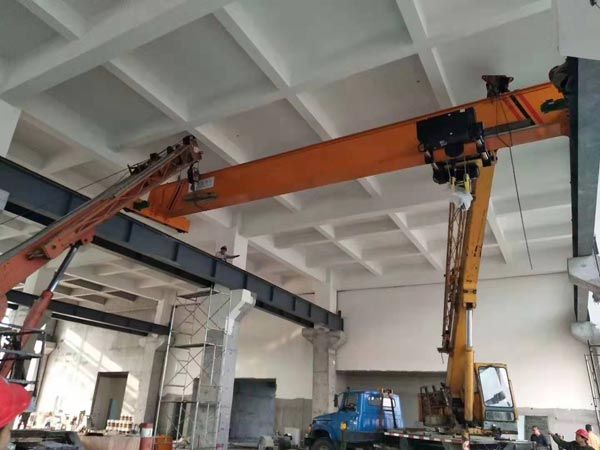
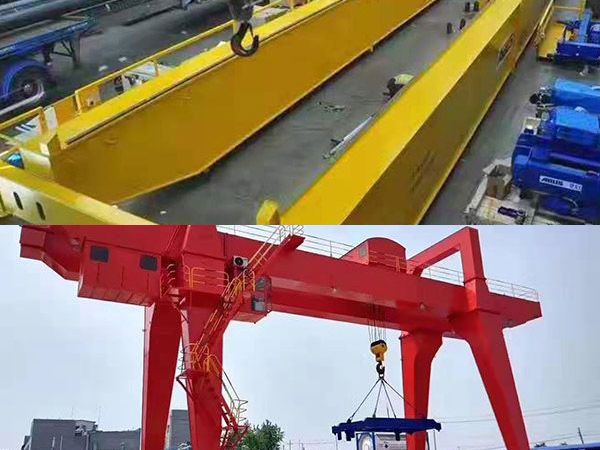
Cantilever cranes and small gantry cranes are two common types of lifting supports in factory workshops. Although they appear to differ in appearance, their operational contents are quite similar. So, what exactly are the differences between them? Next, Shandong gantry crane manufacturers will explain the differences between cantilever cranes and gantry cranes:
1. Structural differences
The cantilever crane is primarily composed of a single column and a crossbeam. The base of the column is firmly fixed in the concrete, and the crossbeam can rotate 360 degrees to lift and transport the lifting target, thereby greatly improving work efficiency.
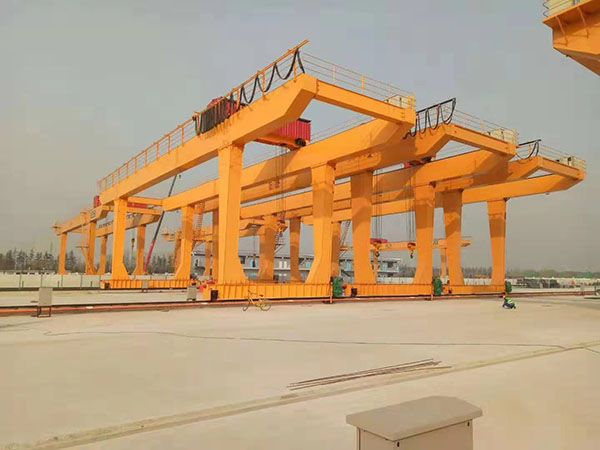
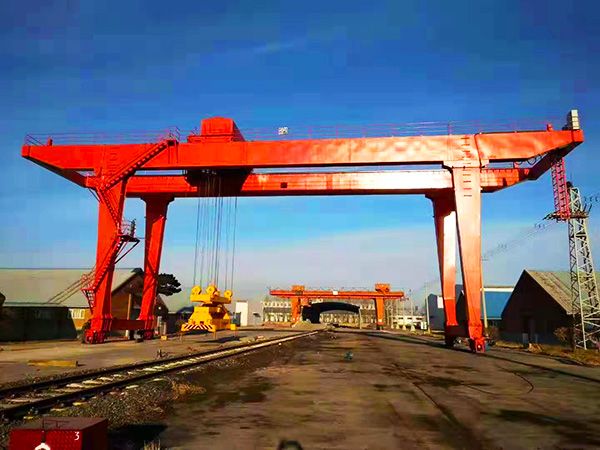
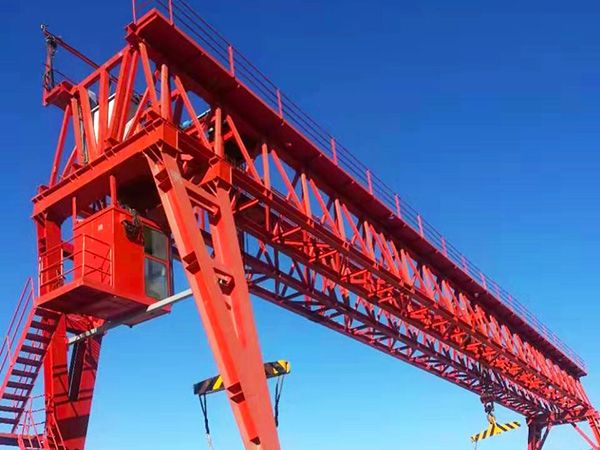
The small gantry crane is mainly composed of double columns and a crossbeam. The bottom of the columns are equipped with casters, which facilitates the large-scale transfer of the small gantry crane. From this point of view, the small gantry crane has a larger operational coverage.
2. Differences in working environment
Cantilever cranes are more suitable for lifting operations in areas where workpieces are concentrated. This can be easily understood from the working method of cantilever cranes. The boom can rotate 360 degrees to cover the entire circular area, and since it does not need to move itself to transfer heavy objects within a certain range, it will not be obstructed by other workpieces on the ground during the entire operation process, allowing for smooth lifting.
However, when conducting lifting and transfer operations in a workshop where workpieces are relatively scattered, the advantage of small gantry cranes becomes apparent. This is because they can cover the entire workshop, moving wherever needed. In contrast, the coverage range of cantilever cranes is much smaller, allowing them to perform transfer work only within a certain area.
| Previous:What is the difference between bridge cranes and gantry cranes, as produced by bridge crane manufacturers in Shandong? | Next:What are the maintenance methods for bridge cranes |



 Home
Home
 Tel
Tel
 Product