




 TEL:13615481234


Shandong Qilide Heavy Industry Group Co., Ltd. Briefly describes the factors causing cracks in the body of bridge cranes
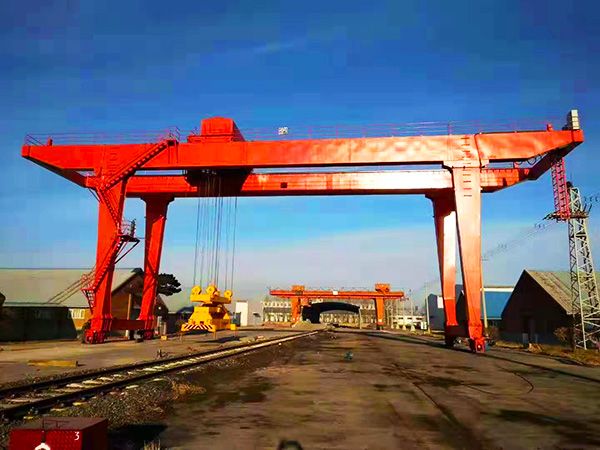
1. Wind impact. Cranes may operate outdoors, exposed to direct sunlight and rain, and may be subject to wind resistance during the process. Once the wind is too strong, the crane will have to resist the force of the wind while operating, and the load it bears will increase, exceeding the mechanical bearing capacity. Even the strongest machinery will have a moment of shaking. Once overloaded, the body of the machinery may have cracks and fissures.
2. The occurrence of cracks may be due to insufficient foresight in the design during manufacturing, which did not take into account the need to prevent mechanical durability. Strengthening the shape of the crane can reduce the degree of damage to the main beam of the bridge crane.
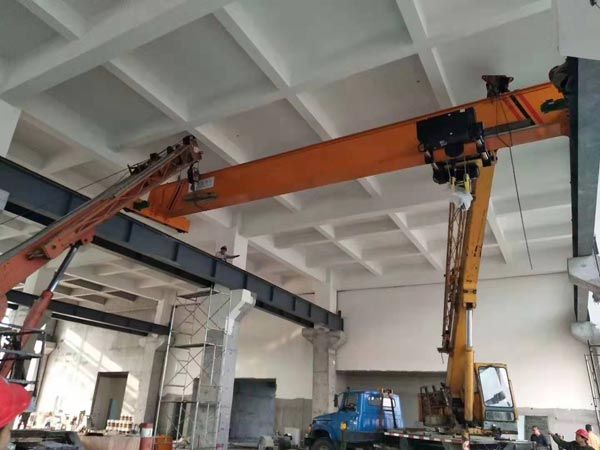
Improper installation of bridge cranes can also cause long-term corrosion and damage. Therefore, attention should also be paid to mechanical maintenance during installation and regular inspections. Due to the long-term use of bridge cranes, they will be subjected to varying degrees of corrosion. If a certain impact force is applied, cracks will appear. So when checking, it is important to add lubricating oil to reduce friction and prolong the service life of the crane.
| Previous:How to ensure the installation and operation of the crane | Next:What are the components of a single beam crane |



 Home
Home
 Tel
Tel
 Product